Amaavi Experiences: Your Journey to the Soul of Bali

Discover Bali : Culture, Clifftops & Calm
Bali, the “Island of the Gods,” blends sea-cliff temples and emerald rice terraces with jungle ravines, black-sand shores, and a daily rhythm of incense and offerings. It’s a small Hindu heartbeat in Indonesia, craft-first, ceremony-rich, and endlessly photogenic.
Base yourself between Ubud’s paddies and the southern beaches: slow mornings in studios and spa sanctuaries, golden afternoons on limestone coves, and dusky evenings withKecak chants at cliffside temples or farm-to-table dinners under frangipani trees
For luxe days your way: a private villa with an infinity pool, sunrise on Mt. Batur, languid beach clubs, and quick hops to Nusa Penida’s blue coves. Whether you’re here for wellness, surf, or unhurried culture, Bali makes easy luxury feel personal.
Top Experiences in Bali
Discover Bali most iconic and unique experiences, from ancient temples to pristine beaches
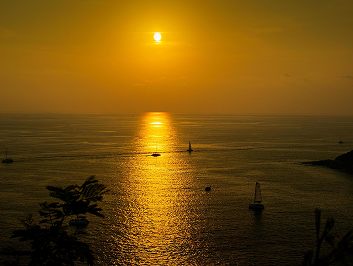
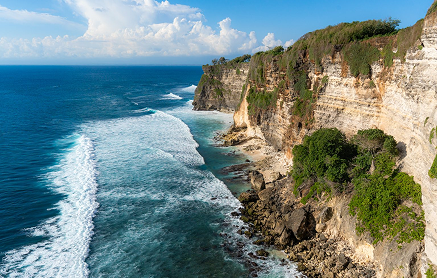
Uluwatu at golden hour
Watch the Kecak & Fire Dance in the cliffside amphitheatre as the sun melts into the Indian Ocean; book ahead for seats around sunset.
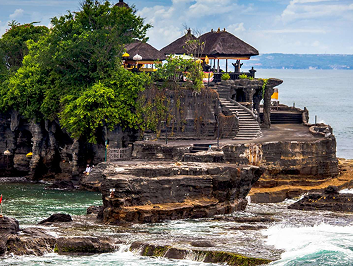
Tanah Lot at tide change
Time your visit for low tide to walk the causeway and high tide for dramatic waves around the sea temple.
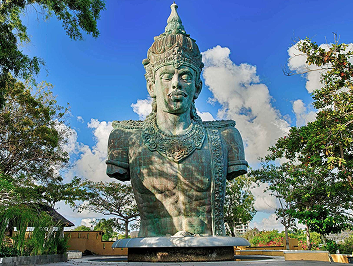
Garuda Wisnu Kencana (GWK)
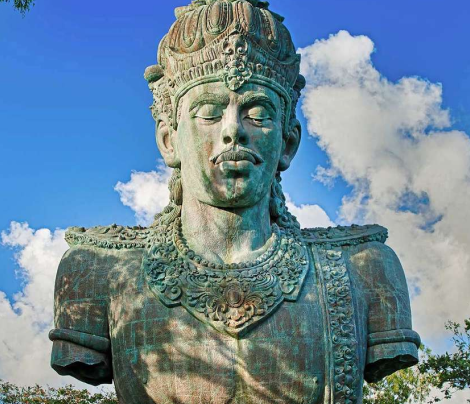
Wander the cultural park beneath the 121-m Vishnu-on-Garuda statue, one of the tallest in the world, and stay for evening performances.
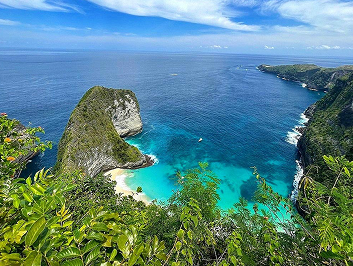
Nusa Penida day trip
Do the west route: Broken Beach, Angel’s Billabong, Kelingking, and Crystal Bay. Seas can be rough, pick reputable boats and check conditions.
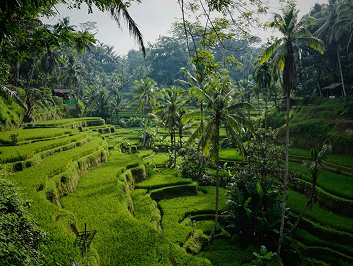
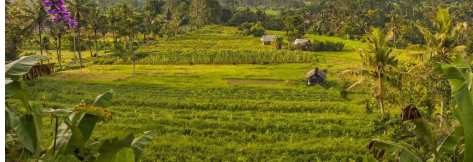
Ubud’s rice-terrace morning
Short trek on the Tegalalang ridges; add a (harnessed) jungle swing for the photo you came for.
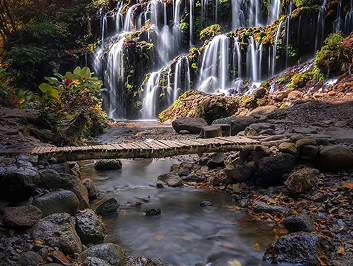
Waterfall trio
Tegenungan for volume, Kanto Lampo for rock-face cascades, Tukad Cepung for sun-shafted cave vibes.
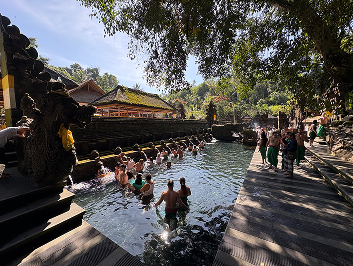
Melukat at Tirta Empul
Join a guided purification ritual (sarong required); allow ~1.5–2 hrs including queue and change time.

ATV & mud run
A fun jungly circuit near Ubud, brings a change of clothes.
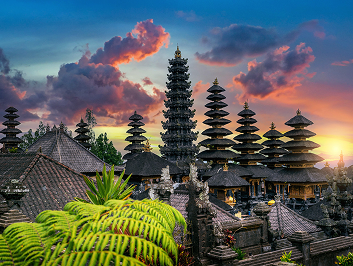
Mother Temple, Besakih
Bali’s largest temple complex on Agung’s slopes; go with a licensed guide for context and etiquette.
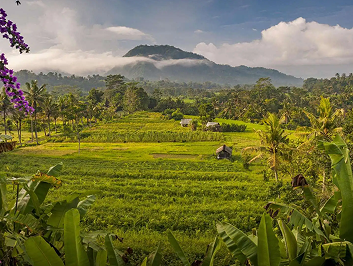
Sidemen valley slow day
A quieter, old-Bali slice of terraces, weaving and river walks.
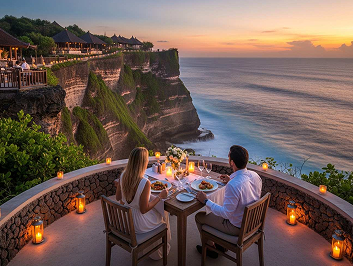
Beach-club afternoon, clifftop dinner
Ease into Seminyak/Canggu sunsets or Bukit clifftop dining after spa time and shopping.
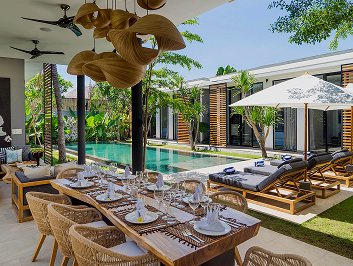
Villa life
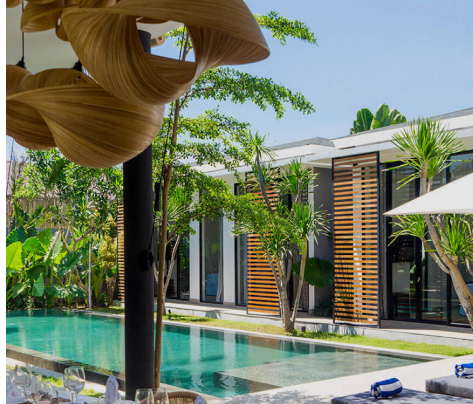
Private pool breakfasts, floating trays, and lazy laps between day trips, great for families and groups.
Don't see your perfect trip?
Let us create a custom itinerary tailored to your dreams and preferences
A Glimpse of Bali Magic
From vibrant cultures to serene landscapes

Frequently Asked Questions
Everything you need to know about planning your Bali adventure
Generally very safe and welcoming. As with any island trips, choose reputable operators for boat/speedboat excursions (e.g., to Nusa Penida) and heed weather advisories.
Indonesian (Bahasa Indonesia) and Balinese are local; English is widely spoken in hotels, restaurants and tour operations.
Dress modestly for temples (shoulders/knees covered; sarong/sash provided or rented). Respect ceremonies and follow posted rules and licensed-guide instructions.
Culture & calendar
- Nyepi (Day of Silence): once a year the entire island shuts down for ~24 hours, airport/ports close, roads empty, shops and beach clubs shut, outside lights dimmed. You must remain within your hotel/villa except for emergencies. (Example: in 2025 it fell on 29 March and Ngurah Rai Airport was closed for the full day.)
- Galungan & Kuningan: island-wide ceremonies every ~210 days. Expect decorated streets (penjor), temple crowds, and short business-hour changes in villages; great cultural atmosphere but allow more time for road travel. (2025 cycles: 23 Apr & 3 May; 19 Nov & 29 Nov.)
- Easy. Indians can apply for Indonesia’s e-Visa on Arrival (e-VOA) online before travel or obtain a Visa on Arrival at DPS. The e-VOA is single-entry, valid for a 30-day stay, and extendable once.
- Passport must have 6+ months’ validity and a return ticket.
All foreign visitors to Bali pay a IDR 150,000 (≈ INR 800) cultural/environmental levy. Pay in advance via the official Love Bali site/app or at the airport; keep the QR receipt for checks at attractions.
- Dry (Apr–Oct): Sunny, breezy; best for beaches, boats and treks (peak prices Jun–Aug).
- Wet (Nov–Mar): Warm tropical showers; lush scenery, good value, lighter crowds.
Tourist SIMs (Telkomsel, XL, Indosat) are easy to buy at the airport or convenience stores.
Currency is Indonesian Rupiah (IDR); cards are widely accepted in hotels/restaurants, but carry cash for markets/taxis.
Yes, plenty in Ubud, Seminyak, Kuta and Nusa Dua. Many resorts can prepare Jain meals on request; brief your concierge/driver for reliable spots near your plans.
Most upscale restaurants, shops and hotels accept Visa/Mastercard/Amex. ATMs are common; dynamic currency conversion (charging in INR) is optional, decline it if the rate looks poor
In Bali, Jakarta, and Labuan Bajo, Visa/Mastercard/AmEx are commonly accepted at hotels, upscale restaurants, spas, and boutiques. Cash (IDR) is essential for markets, local warungs, boat fees, and remote islands. ATMs are widespread (withdrawal fees apply). For small merchants, Indonesia’s national QRIS QR code is ubiquitous,useful if your card/app supports it.