Amaavi Experiences: Your Journey to the Soul of Sri Lanka

Sri Lanka : Destination Overview
Emerald tea hills, ancient citadels, leopard-dotted jungles, and a coastline that swings from surfer-vibe to serene, Sri Lanka is small but wildly diverse. In one week you can watch sunrise over Sigiriya’s lion rock, sip single-origin Ceylon with a planter in the highlands, and end the day with a barefoot dinner on a cinnamon-scented beach. English is widely spoken, service is warm, and boutique luxury, from colonial bungalows to design-forward beach villas—makes it easy to travel slowly and well
Top Experiences in Sri Lanka
Sri Lanka is a compact island of big experiences—ancient heritage, lush landscapes, wildlife safaris, and serene beaches woven into one unforgettable journey.
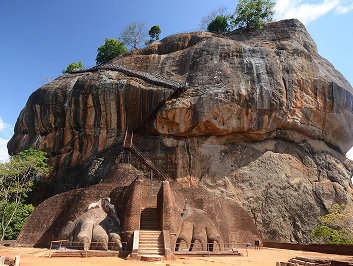
Sigiriya at first light + private fortress walk//mention fortress
Beat the heat and the crowds; pair it with a quiet lotus-pond brunch at a heritage villa nearby.
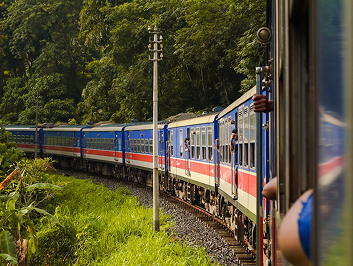
Kandy–Ella by “blue train,” seats booked in advance
Ride past waterfalls and tea terraces, then cross the Nine Arches Bridge on foot as the train thunders by. (Reserved seats now open online, plan ahead.)
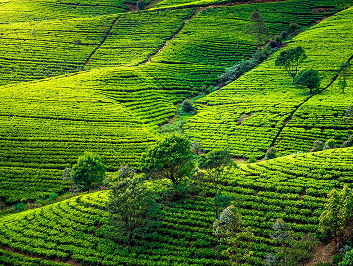
Tea country, done properly
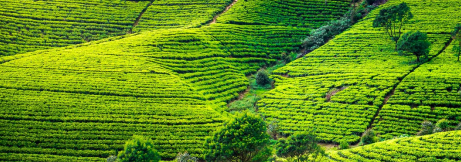
Check into a planter’s bungalow near Hatton or Nuwara Eliya; join pickers in the fields, learn to grade tea, and finish with a fireside tasting.
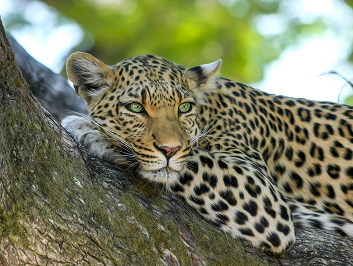
Yala your way
Private jeeps with naturalists targeting quieter blocks for leopard and sloth bear; skip midday heat with a long pool lunch at your lodge.
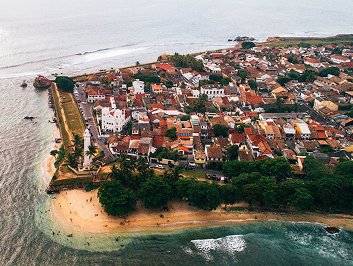
Galle Fort after hours
Sunset rampart walk, candlelit courtyards, and design boutiques in Dutch mansions, best explored with a historian guide.
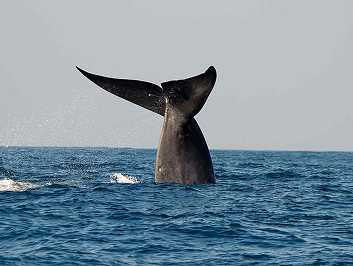
Whale mornings, turtle nights
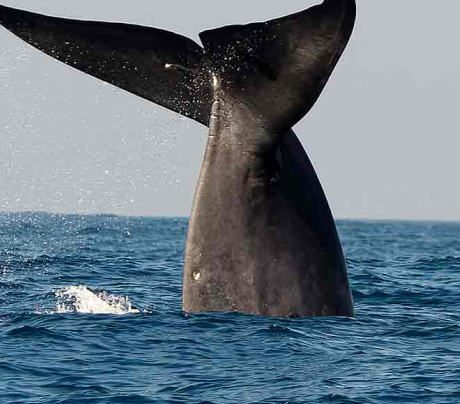
December–March: blue whale and sperm whale trips off Mirissa; May–July shift to Trincomalee. Time turtle-hatchery releases responsibly.
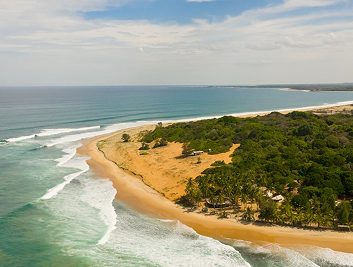
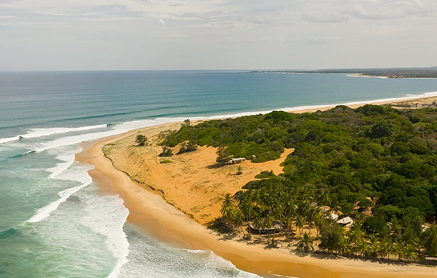
Arugam Bay surf + east-coast castaway days
Summer swells, barefoot cafés, and boat rides through mangroves; in shoulder season, retreat to Passikudah’s lagoon-calm waters.
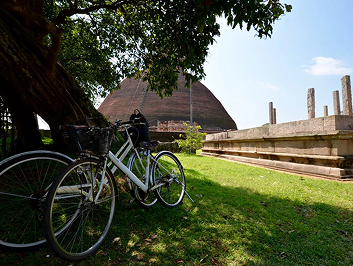
Anuradhapura & Mihintale by bicycle
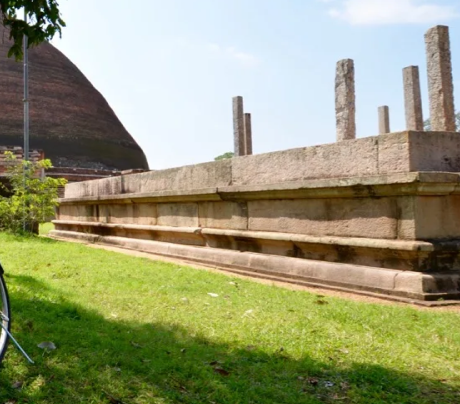
Golden stupas, bodhi trees, and monk-led stories of the island’s first Buddhist sites, quiet, spiritual, deeply photogenic.
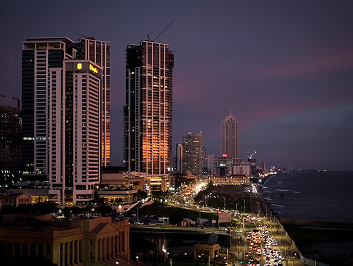
Colombo for a night
Gallery-hopping, heritage architecture (Geoffrey Bawa), and a modern Sri Lankan tasting menu, then a speakeasy nightcap.
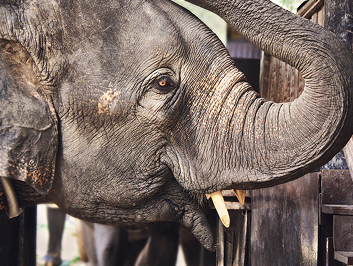
Ethical elephant moments
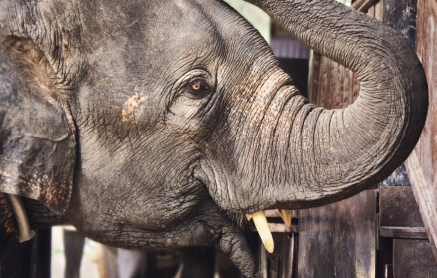
Time the Minneriya/Kaudulla “Gathering” (Aug–Oct) to watch hundred-strong herds at sunset, no chains, no rides.
Don't see your perfect trip?
Let us create a custom itinerary tailored to your dreams and preferences
From mountain escapes to city delights Sri Lanka
Discover the moments that make Sri Lanka unforgettable.

Frequently Asked Questions
Everything you need to know about planning your Sri Lanka adventure
Very easy. India is part of Sri Lanka’s Free Visa program—tourist visas (single-entry, 30 days) are issued free of charge for eligible Indian travelers and the scheme is “extended until further notice.” Apply only via the official portal (ETA/eVisa). Passport must be valid 6+ months from arrival; keep return ticket & funds handy.
Also required: complete the Online Arrival Card (immigration form) shortly before travel (the official guidance shows it opens within a few days of your flight). Use the government link; avoid third-party fee sites.
- Dec–Mar (Peak west & south): Dry on the south/west coasts (Galle, Bentota, Tangalle) and hill country—perfect for beaches, tea, and wildlife. Prime time for Mirissa blue-whale trips.
- May–Sep (East coast summer): Southwest monsoon hits the south/west; east coast (Trincomalee, Passikudah, Arugam Bay) is sunny with good seas and surf.
- Oct–Nov & Apr (shoulders): Island-wide showers possible; gorgeous skies between bursts, fewer crowds, great for cultural touring and value stays. (Monsoon pattern per Met/Tourism.)
- Wildlife windows: Minneriya/Kaudulla “Gathering” peaks Aug–Oct; whales Dec–Mar (south) & May–Jul (east).
Generally welcoming; use hotel safes, keep copies of IDs, and take licensed jeeps/guides in parks.
Sinhala & Tamil are official; English widely used in tourism.
Yes, lots of family-friendly resorts and gentle logistics; solo travelers find it easy to meet people on trains, tours, and surf lessons.
Dress modestly at temples (shoulders/knees covered; shoes/hats off). Do not pose with your back to Buddha statues and cover any Buddha tattoos, people have been refused entry or deported for disrespect.
Poya “dry days”:
On full-moon Poya days (monthly), sale of alcohol is prohibited island-wide; some venues also restrict meat sales, plan dinners accordingly. (Private in-room consumption from prior purchases is usually fine.)
Tourist SIM/eSIMs from Dialog or SLT-Mobitel are sold 24/7 at CMB arrivals, fast, cheap data. Carry a little LKR cash for tips and rural stops; cards widely accepted in hotels.
Additional Tips:
- Religious observance: Full-moon Poya days are public holidays with alcohol sale bans and some closures; May’s Vesak can add extra dry days.
- Wildlife ethics: No elephant rides or bathing; choose jeep safaris with proper park etiquette and naturalist guides.
- Ocean safety: Rip currents are real, swim where flags/lifeguards exist; seas are calmer Dec–Mar (south/west) and May–Sep (east)