Amaavi Experiences: Your Journey to the Soul of Morocco

Discover Morocco : The Jewel of North Africa
Where the Sahara whispers to the Atlantic, and ancient medinas meet modern skylines – Morocco is a masterpiece of contrasts. From the oceanfront elegance of Casablanca to the spiritual soul of Fez, the serene blues of Chefchaouen, and the red-ochre vibrance of Marrakech, every stop reveals a different shade of this North African gem.
Your journey unfolds like a story, strolling through royal palaces and centuries-old mosques, sipping mint tea in tiled riads, exploring bustling souks scented with saffron and leather, and riding camels into the golden Agafay dunes at sunset.
Every turn brings architecture, aroma, and artistry, a place where French flair meets Berber tradition, and desert stars shimmer above candlelit courtyards.From mountain trails to desert skies, Morocco captivates the senses, a land of living history, luxury hospitality, and unforgettable soul.
Top Experiences in Morocco
A place where ancient traditions meet vivid everyday life.
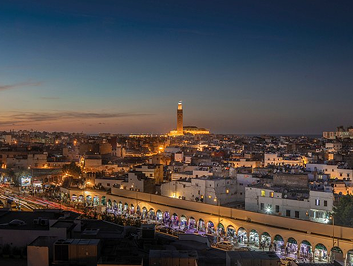
Casablanca - Modern Elegance Meets Heritage.
In style — stroll through tectonic rift valleys at Thingvellir, watch Strokkur erupt skyward, and feel the mist of Gullfoss as sunlight breaks over Iceland’s most photogenic loop.
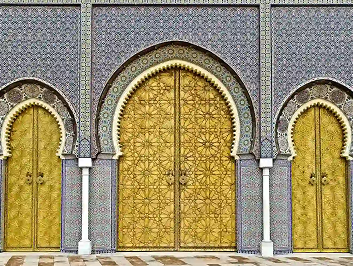
Rabat - The Regal Capital
A calm counterpoint to Marrakech’s buzz, Rabat blends royal palaces, seaside kasbahs, and cultural monuments. Visit the Hassan Tower, Mohammed V Mausoleum, and the charming Kasbah of the Oudayas, where white-washed lanes overlook the ocean.
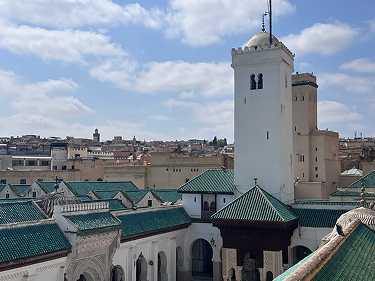
Fez - Morocco’s Spiritual & Cultural Heart.
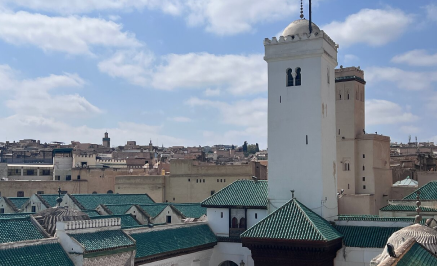
Step into history inside the UNESCO-listed Medina of Fez, a living museum of craftsmanship. Watch leather being dyed at the Chouara Tannery, admire intricate woodwork at Al-Attarine Madrasa, and glimpse the world’s oldest university at Al-Quaraouiyine Mosque.
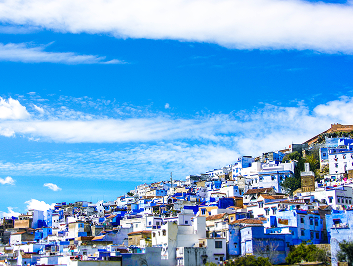
Chefchaouen - The Blue Pearl
Hidden between the Rif Mountains, this postcard-perfect town glows in shades of sapphire and indigo. Stroll through its serene blue alleys, discover photogenic stairways, and feel the slow, sacred rhythm of Morocco’s most peaceful city.
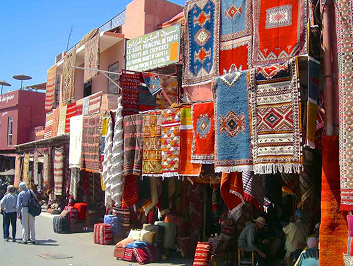
Marrakech - The Red City of Splendor.
A city of color and chaos, where tradition meets design. Explore the Majorelle Gardens and Yves Saint Laurent Museum, admire the ornate Bahia Palace and Koutoubia Mosque, and lose yourself in the souks of the old medina.
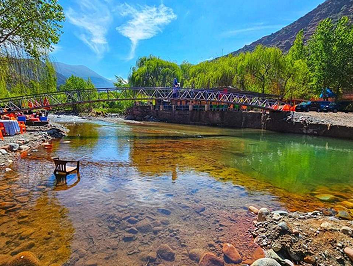
The Atlas Mountains & Ourika Valley.
Trade the city for cool mountain air. Visit Berber villages, learn traditional Argan oil making, and follow trails to scenic waterfalls surrounded by lush valleys, an easy escape from Marrakech’s energy.
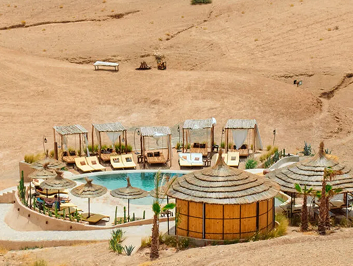
Agafay Desert - Sahara’s Elegant Cousin.
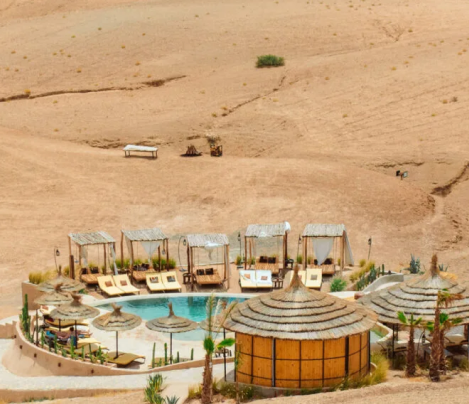
Just an hour from Marrakech, Agafay offers the romance of desert life without the long drive. Quad bike across rugged plains, enjoy a sunset camel ride, and dine under a starlit tent with a traditional fire show – a perfect finale to your Moroccan journey.
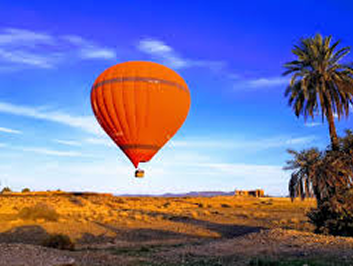
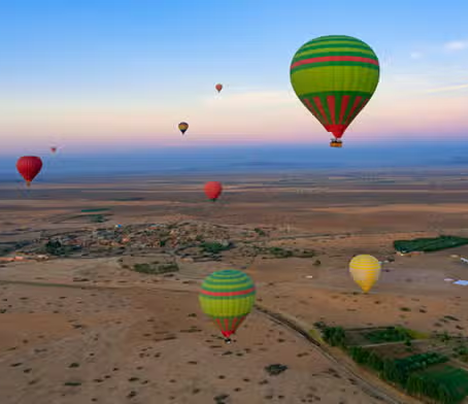
Hot Air Balloon over Marrakech
Drift above the golden desert and Atlas peaks at sunrise, followed by an authentic Berber breakfast – a once in a lifetime perspective of Morocco’s endless beauty.
Don't see your perfect trip?
Let us create a custom itinerary tailored to your dreams and preferences
A Glimpse of Morocco Magic
From vibrant cultures to serene landscapes
Frequently Asked Questions
Everything you need to know about planning your Iceland adventure
- Spring (Mar-May) Pleasant temperatures, lush valleys, and best for city + mountain combos.
- Autumn (Sep-Nov) Ideal for Sahara camping, Marrakech exploration, and coastal getaways.
- Summer (Sep-Aug) Hot inland, but comfortable in coastal areas like Essaouira or Casablanca.
- Winter (Dec-Feb) Cool in cities, cold in desert nights, and snow-dusted Atlas peaks – perfect for cozy riad stays and hammam indulgence.
Very safe. Petty theft (like pickpocketing) can occur in busy souks, so stay mindful. Locals are welcoming, and most tourist zones have a strong security presence.
Arabic and French are official languages, but English is widely understood in major cities, roads, and tourist regions.
Alcohol is legal but only served in licensed restaurants, hotels, and bars. It’s not available in traditional medinas or near mosques. Always respect local customs by drinking discreetly and avoiding public intoxication.
Morocco is modest and traditional.
- Dress conservatively in public areas, cover shoulders and knees, especially in rural towns.
- Remove shoes before entering mosques (entry for non-Muslims is restricted except Hassan II Mosque).
- Always ask before photographing locals, especially women.
- Friday is a holy day; expect slower mornings and early prayer closures
Private cars with drivers are the most comfortable option for multi-city travel (Marrakech – Fes – Merzouga). Trains connect major cities like Casablanca, Rabat, and Marrakech efficiently.
Yes. SIM cards (Maroc Telecom, Orange, Inwi) are available at airports with tourist packages for data and calls. Wi-Fi is available in most hotels, cafés, and riads.
Yes, tipping is part of Moroccan culture – 10% at restaurants, MAD 10 – 20 for porters or guides, and a few dirhams for small services are appreciated.
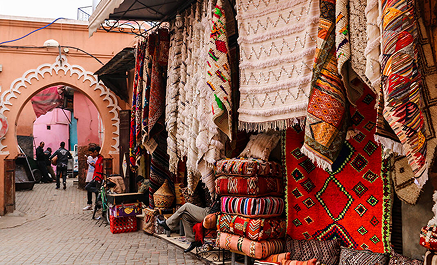
Handcrafted lamps, leather bags from Fes, Berber carpets, argan oil, pottery, and brassware, Moroccan craftsmanship makes for timeless keepsakes.
Drones require prior government authorization and are often confiscated if brought without permission. Vaping is not illegal but should be used discreetly. Avoid photographing police, military, or government buildings.